A playlist is easier to edit when its name explains the kind of listening experience you want it to support.
Choose a concrete use
Name the setting or activity in your own terms, such as a quiet evening drawing session or familiar songs for a short train ride. Avoid making unsupported claims about what music will do for concentration, mood, or health. The purpose describes your preference for that occasion.
Build a short initial sequence
Add a manageable selection and listen to the transitions rather than continually adding more tracks. Notice whether abrupt changes fit the intended experience. Keep volume appropriate to your surroundings and remain attentive where listening could interfere with necessary awareness.
Edit after actual listening
Remove or move tracks that repeatedly prompt you to skip them in that context. Keep another playlist for music you enjoy in a different setting. The list does not need to become a complete collection of your taste; its usefulness comes from serving one recognizable listening moment.
What would you change first to give a playlist a specific listening purpose?
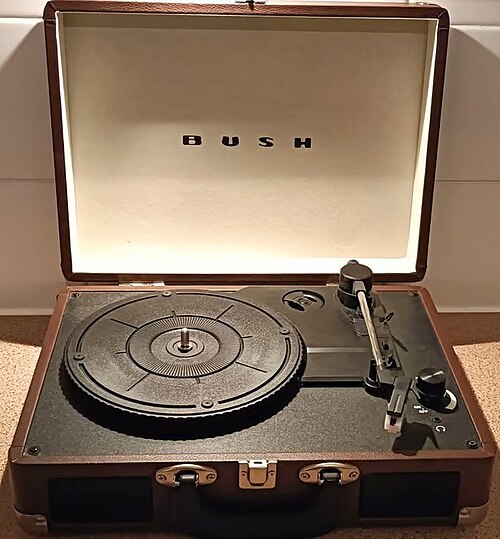
This practical article was drafted with AI assistance for Little Days. It is not a submitted reader story or a claim of firsthand experience. The image is illustrative; its source is listed in Photo credits.