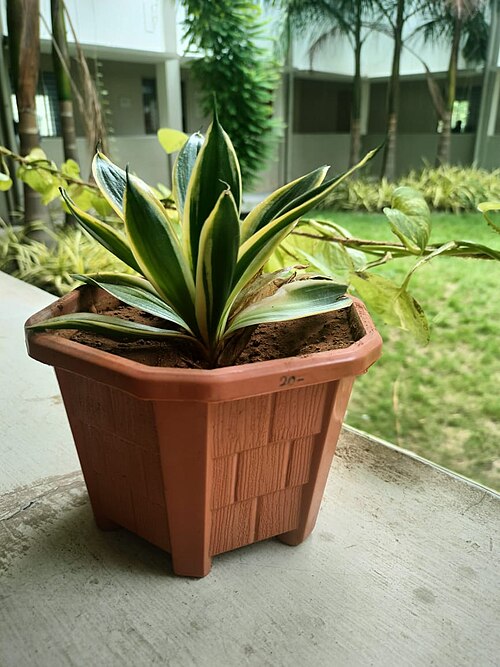
A plant log can help you describe what you see without immediately treating every change as proof of a particular problem.
Record observable details
Write the plant’s identification if known, its location, and visible changes such as new growth or a damaged leaf. Take a consistent reference photo if useful. Keep uncertain identification or explanations clearly marked instead of presenting a guess as an established fact.
Note actions already taken
Record watering, repositioning, or other care actions with their dates and actual details. Follow appropriate guidance for the plant and products involved. Avoid changing several conditions at once merely to create an entry, because that makes later observations harder to interpret.
Use the record to ask better questions
Compare observations over time and consult a suitable source when you need care advice. Share only relevant images and details when asking for help. The log supports description and learning; it does not diagnose a plant’s condition or establish that one observed change caused another.
What would you change first to keep a plant observation log before changing the routine?
This practical article was drafted with AI assistance for Little Days. It is not a submitted reader story or a claim of firsthand experience. The image is illustrative; its source is listed in Photo credits.