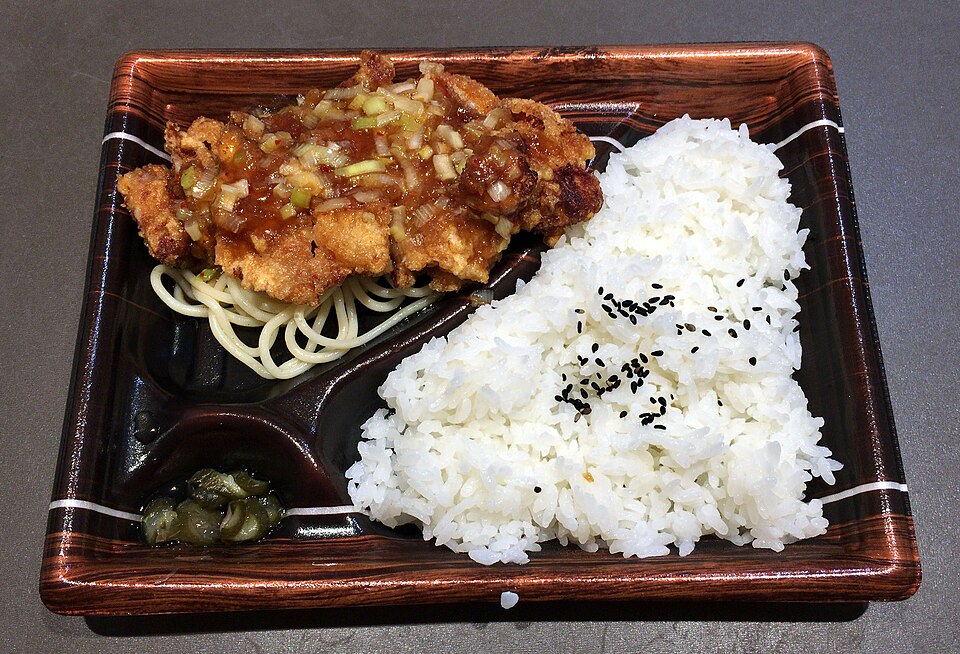
A lunch shortlist can save repeated browsing when you already know several meals that fit an ordinary working day.
Choose genuinely usable meals
Write a few lunch options you have actually prepared or ordered successfully. Include the equipment, approximate preparation effort, and any decision that must happen earlier. Keep the options compatible with your own requirements rather than building the list from an idealized routine.
Give each option a clear trigger
Add a simple note such as suitable when using the office microwave or useful when eating at home. Keep handling and destination rules in mind. The trigger should help you choose, not become a promise that the meal fits every schedule or circumstance.
Replace stale choices
After a few weeks, remove options you consistently skip and add a real alternative. Keep the list short enough to scan quickly. If every option requires ingredients you do not have, update the shopping plan or choose a different meal instead of treating the shortlist as a fixed commitment.
What would you change first to keep a short lunch menu for indecisive days?
This practical article was drafted with AI assistance for Little Days. It is not a submitted reader story or a claim of firsthand experience. The image is illustrative; its source is listed in Photo credits.