Scaling a recipe is easier when the arithmetic happens on paper before measuring tools and ingredients cover the counter.
Write the original quantities
List every ingredient with its original amount and unit. Put the intended scale factor at the top of the page. Multiply each quantity and write the result on a separate line so you can compare the new version with the source recipe.
Resolve awkward measures early
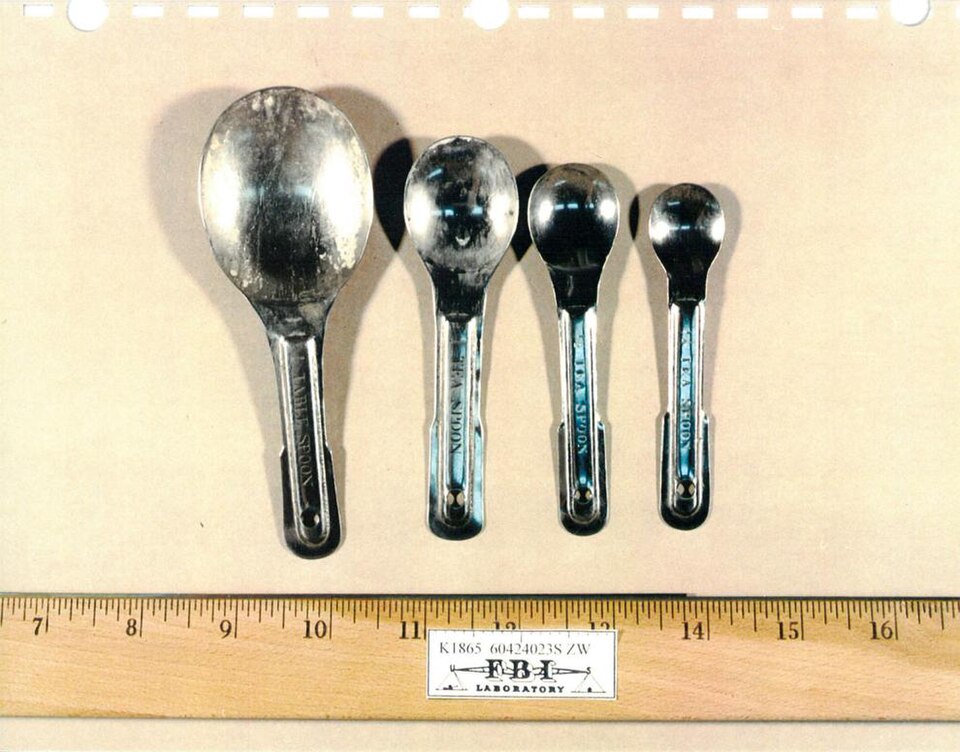
Convert inconvenient fractions into units you can actually measure, checking the conversion with a reliable reference. Mark ingredients that need more careful judgment and consult the recipe guidance. Do not silently round every small amount in the same direction just to simplify the list.
Check the method separately
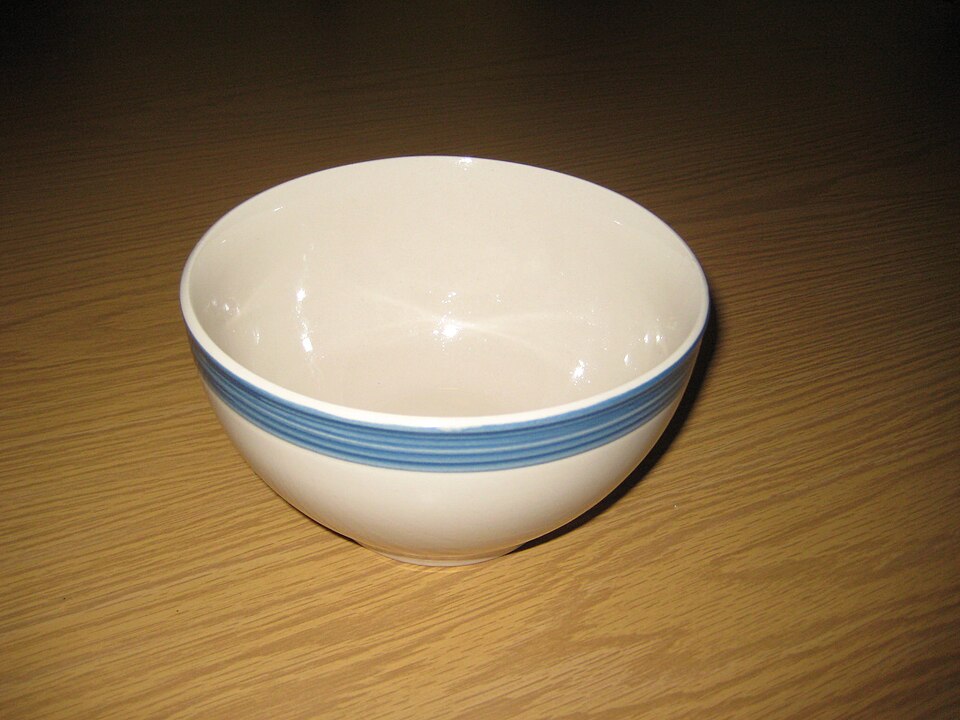
Review the required bowl, pan, equipment capacity, and instructions before starting. Changing ingredient quantities does not automatically give you new cooking times or temperatures. Use a suitably tested version or appropriate recipe guidance when the preparation depends on those details.
What would you change first to make a recipe scaling worksheet before you cook?
This practical article was drafted with AI assistance for Little Days. It is not a submitted reader story or a claim of firsthand experience. The image is illustrative; its source is listed in Photo credits.