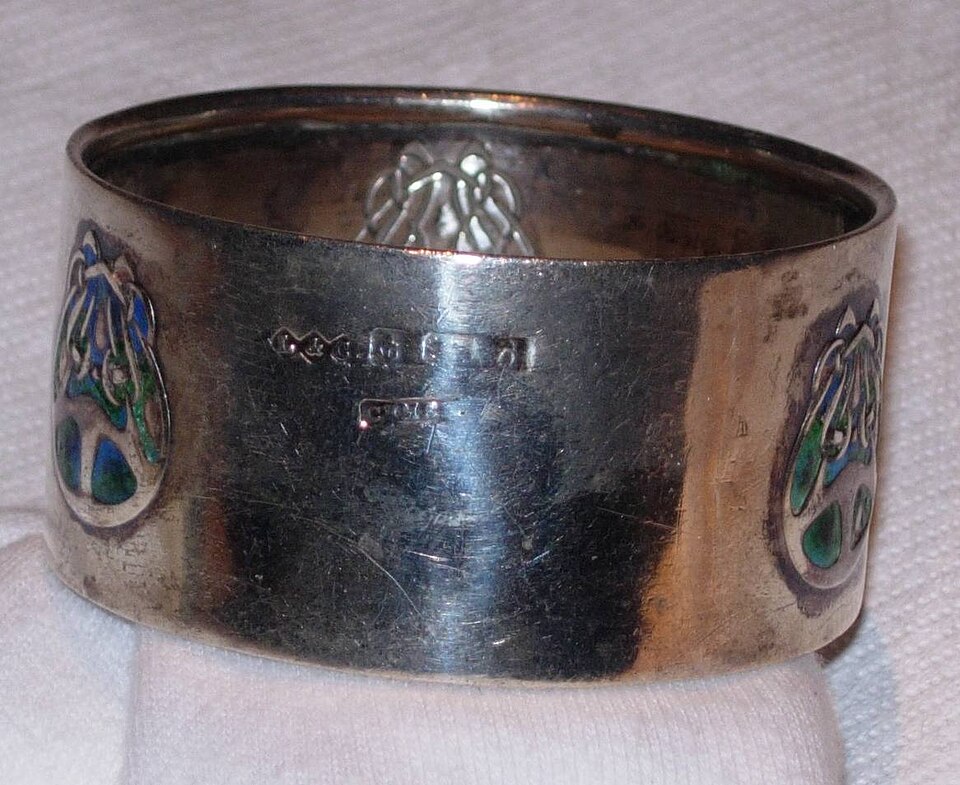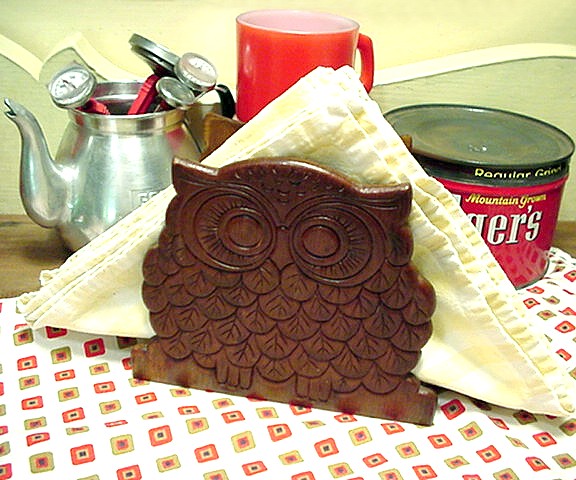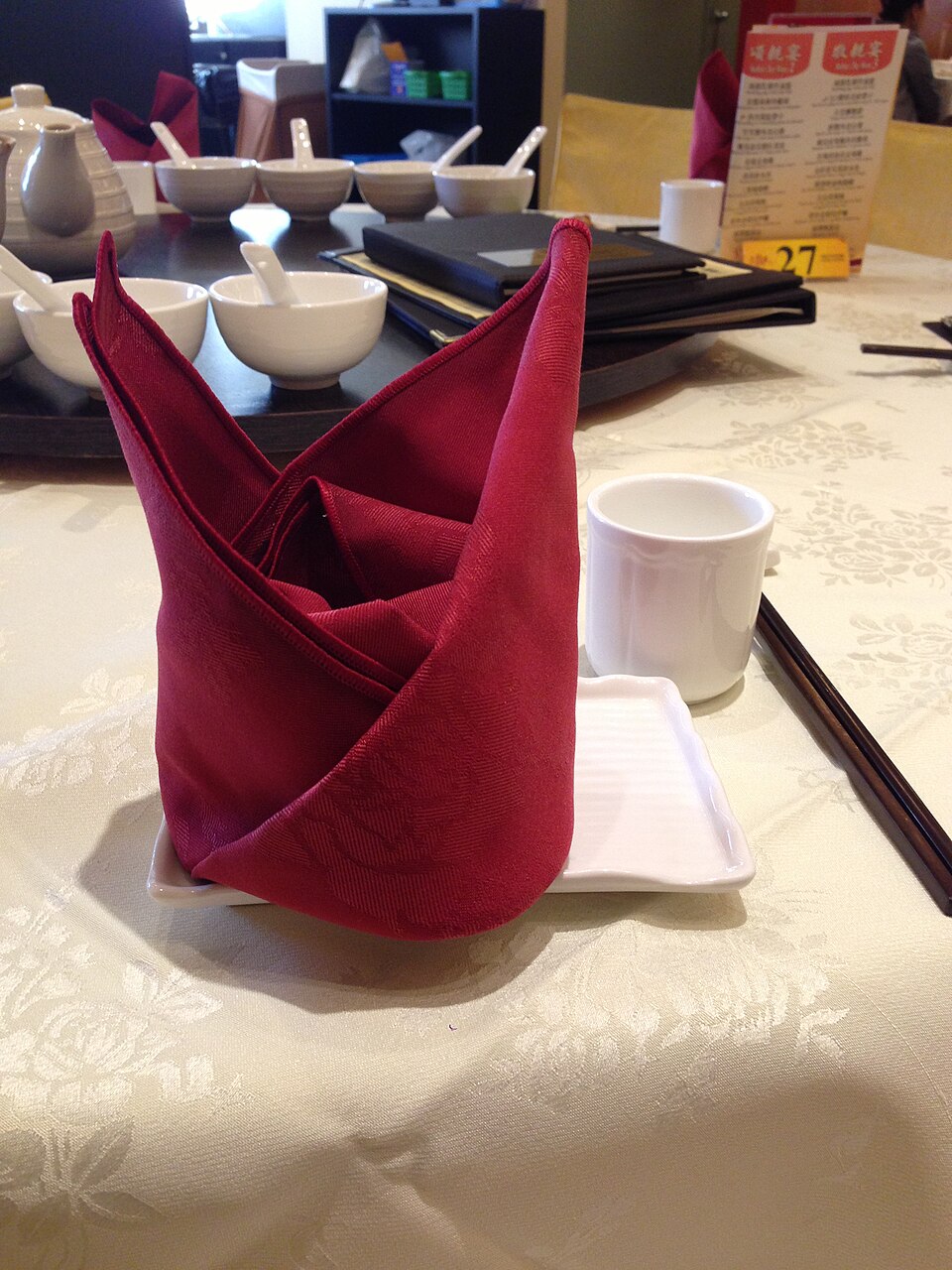
A place card is useful when it quietly removes uncertainty about where to sit without becoming another elaborate hosting project.
Use familiar names
Write the name each guest uses in clear lettering on a folded card. Check spelling before arranging the table. Keep decorative details secondary to readability, especially if the room lighting is soft or the table will be crowded with dishes.
Test the view from the chair
Put the card where a person approaching the seat can see it without moving a glass or plate. Sit down and make sure it does not interfere with eating space. Keep cards away from candles, hot dishes, and any area likely to become wet.
Allow an easy rearrangement
Use cards that can be moved if guests need different seating or access. Explain the arrangement simply if needed and welcome practical changes. For a small informal meal, a verbal invitation may work better; the card should solve an actual seating question, not create ceremony for its own sake.
What would you change first to mark guest places with names people can read?
This practical article was drafted with AI assistance for Little Days. It is not a submitted reader story or a claim of firsthand experience. The image is illustrative; its source is listed in Photo credits.