A complete table can still stall when three dishes share one spoon. Pairing utensils with empty serving bowls prevents that last minute search.
Start with empty dishes
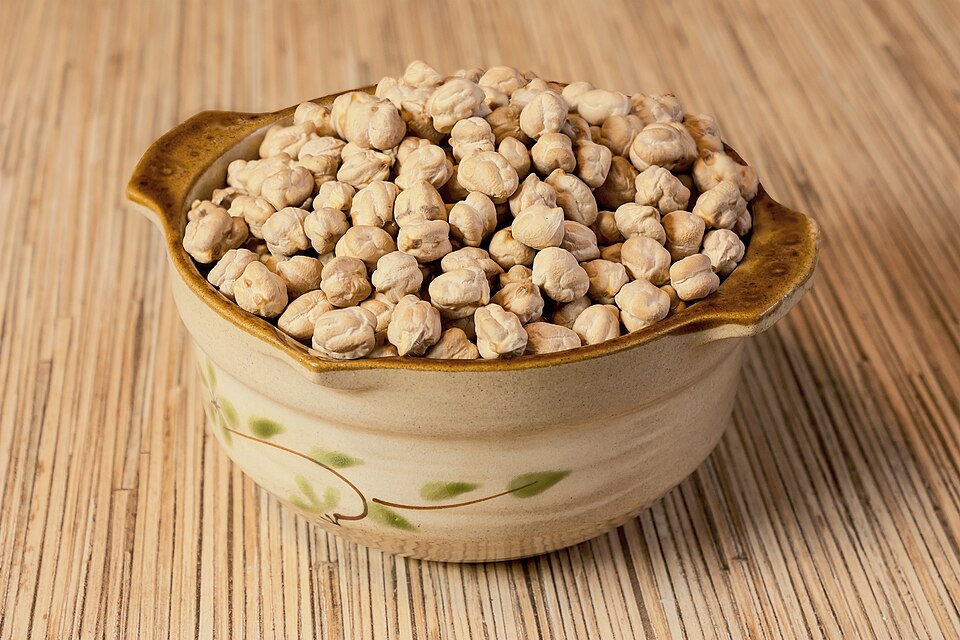
Set out the bowls and platters you expect to use. Put a suitable serving spoon, fork, or tongs beside each one. Check that the utensil can reach the bottom and that its handle will not disappear inside the bowl.
Assign a resting position
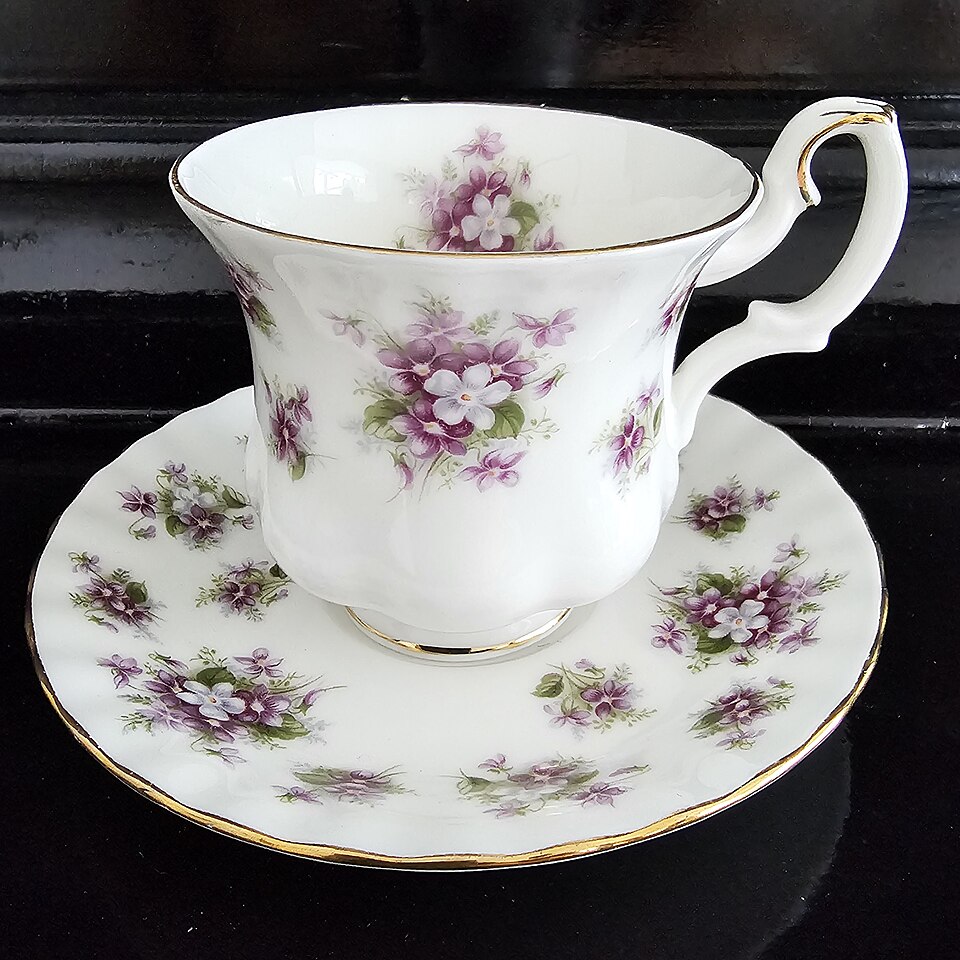
Provide a small rest or saucer where needed so the utensil has somewhere to sit between servings. Keep it close to its own dish. A long handle should point into available space rather than protruding over a busy walking route.
Mark unusual pairings
If a dish needs a particular utensil, add that detail to your preparation list. Use separate utensils where guests need to avoid mixing foods. Recheck the pairings when you change bowls; an attractive small bowl may not accommodate your usual large serving spoon.
What would you change first to match a serving utensil to every bowl?
This practical article was drafted with AI assistance for Little Days. It is not a submitted reader story or a claim of firsthand experience. The image is illustrative; its source is listed in Photo credits.