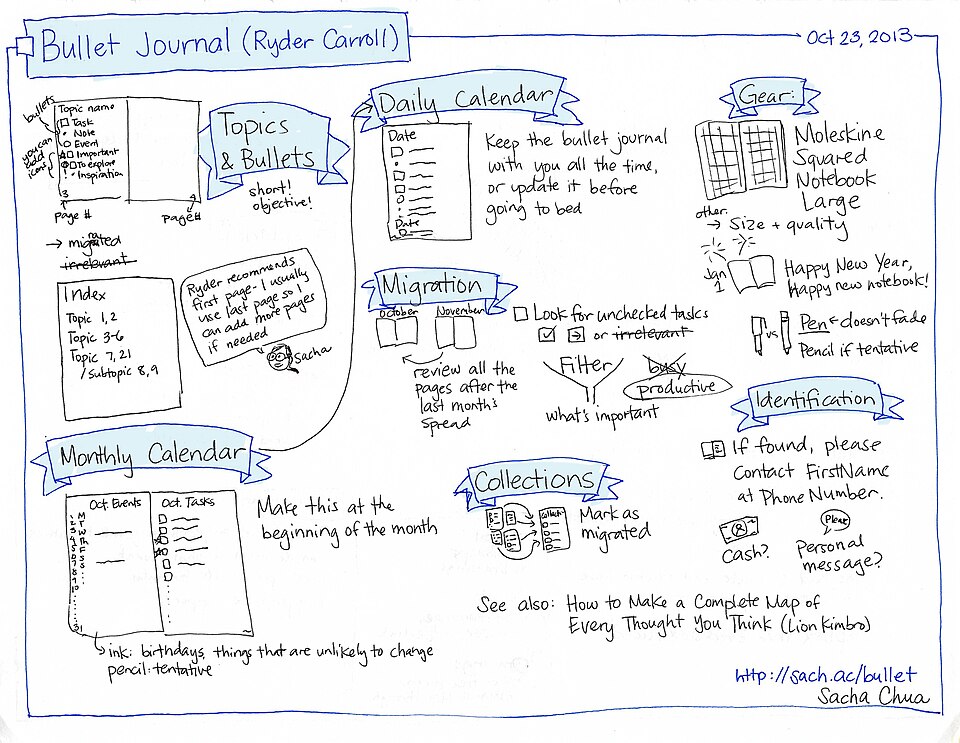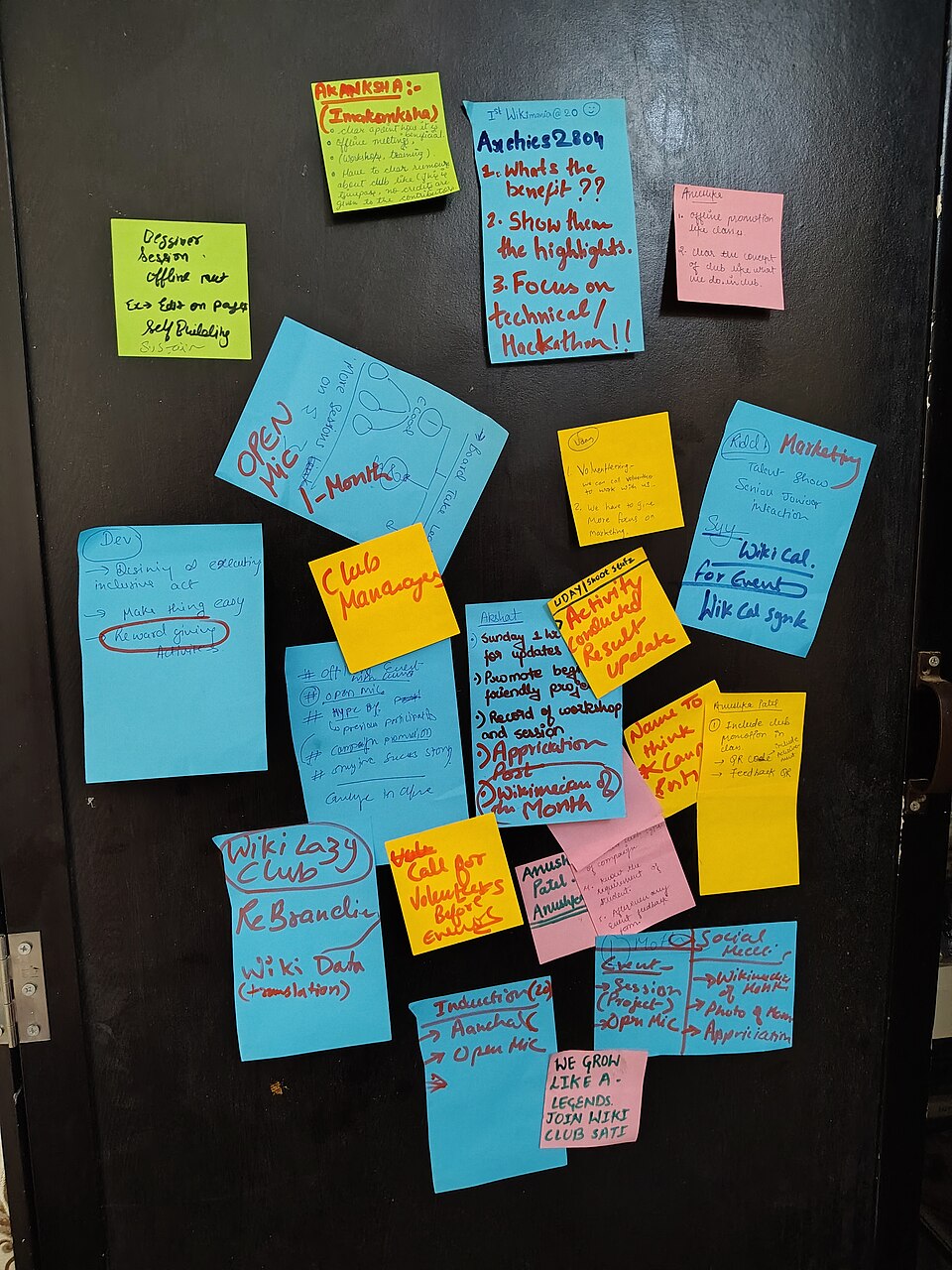
A short question list can turn a meeting from passive information gathering into a clearer conversation about what you need to understand.
Identify the purpose first
Write what the meeting should help you decide or do. Choose questions that address missing information rather than repeating details already available in the invitation. Keep each question focused so the other person can answer it without guessing which of several issues matters most.
Put the key question first
Order the questions by importance and identify the one you most need answered if time is short. Bring the relevant document or example where appropriate. Avoid including private information in shared notes unless it belongs in the meeting and can be shared with the participants.
Capture answers and remaining gaps
After the conversation, write the answer beside each question and mark anything still unresolved. Convert follow up actions into your normal task list. The three question limit is a useful preparation constraint, not a reason to ignore an important issue that emerges during the discussion.
What would you change first to prepare three questions before a practical meeting?
This practical article was drafted with AI assistance for Little Days. It is not a submitted reader story or a claim of firsthand experience. The image is illustrative; its source is listed in Photo credits.