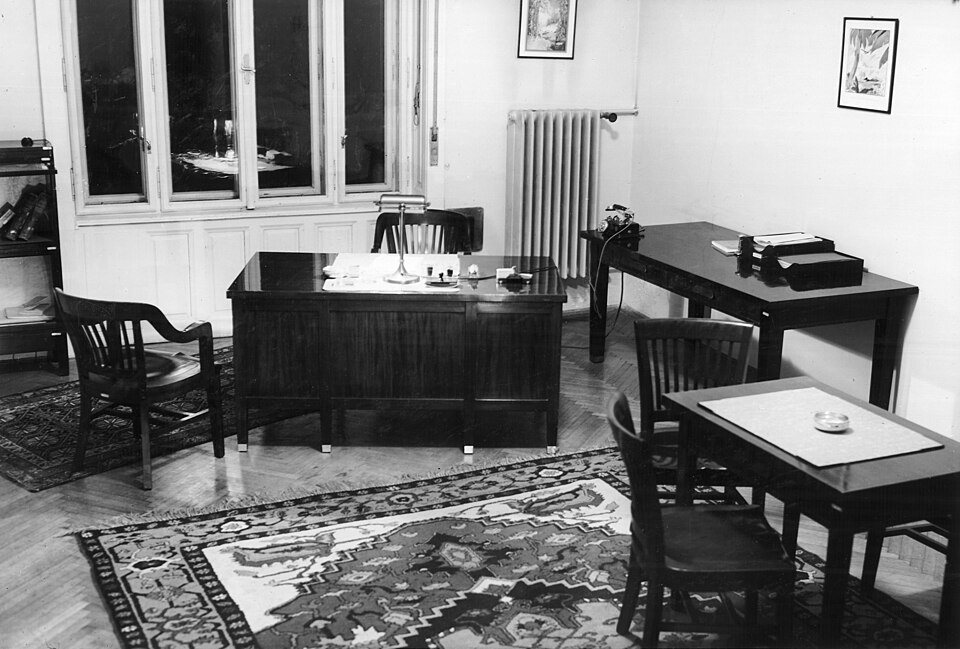
A reference book needs its own footprint while you work. Planning that space makes it easier to read a page and enter notes without continually shifting objects.
Open the book first
Place the actual book at the page width you will use, then arrange the keyboard or notebook beside it. Keep your working posture comfortable. A suitable book stand may help if the surface is small.
Keep page tools nearby
Use a bookmark or a paper slip to mark the relevant section. Write page numbers in your notes so the reference can be found later. Avoid pressing the spine flat if the binding resists opening.
Clear the reference when finished
Return the book to its shelf and file the notes with the task. Keep only the current reference on the desk. Avoid stacking a second open book on top of the first, where both become awkward to read.
What would you change to make an open-book space that does not bury the keyboard work in your home?
This practical article was drafted with AI assistance for Little Days. It is not a submitted reader story or a claim of firsthand experience. The image is illustrative; its source is listed in Photo credits.