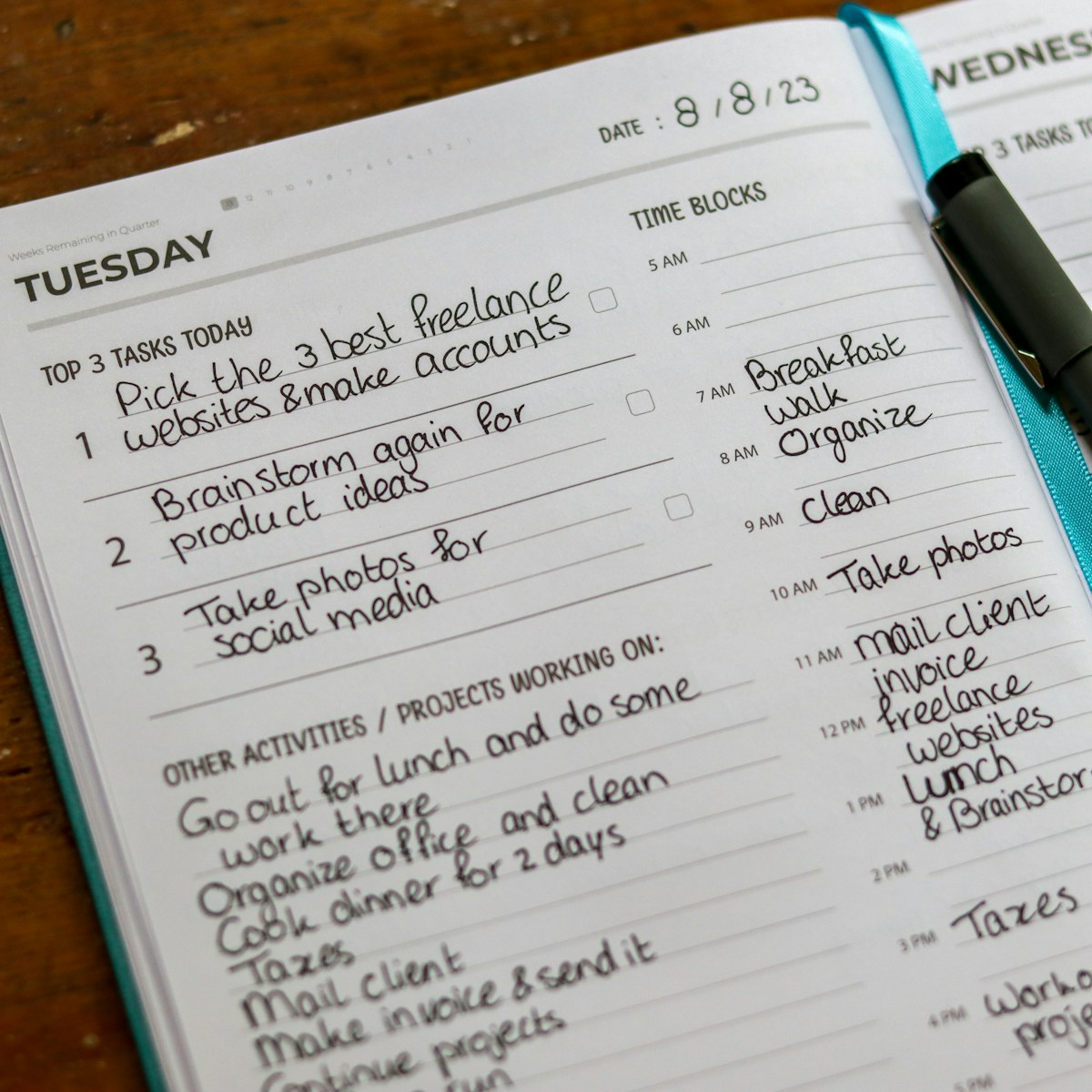
An unfinished project list is more useful when each item has a deliberate status instead of quietly collecting guilt.
Read the list for current relevance
Look at each project and ask whether its original purpose still matters. Keep obligations and commitments visible, but distinguish them from optional interests. Do not assume that time already spent means every project must continue in its original form.
Choose a specific status
Give each project a next action, a planned review date, or a clear decision to stop where that is appropriate. Record any handoff or notification required by an existing commitment. Avoid labeling a project paused when nobody knows what would make it active again.
Preserve useful work simply
Archive notes and materials you may need later in a recognizable folder. Remove the project from the active list when it no longer requires attention. The review should reduce uncertainty about what deserves work now, not create a new elaborate tracking system for everything you have ever considered doing.
What would you change first to review unfinished projects with a next action or a clear pause?
This practical article was drafted with AI assistance for Little Days. It is not a submitted reader story or a claim of firsthand experience. The image is illustrative; its source is listed in Photo credits.