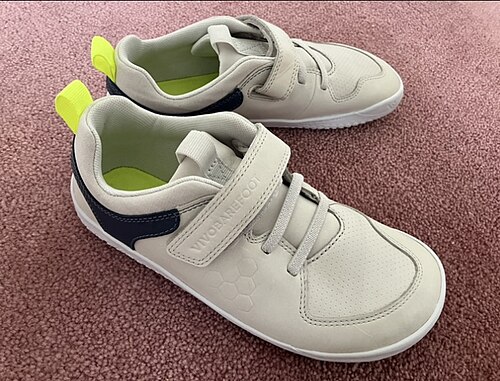
A shallow shoe shelf sometimes fits everyday pairs more comfortably when one shoe faces forward and the other faces back, with both remaining easy to identify.
Test one shelf first
Place the largest everyday pair on the shelf and try the opposing arrangement. Check that toes and heels remain supported. Allow doors to close without pressing the shoes or scraping the shelf above.
Keep pairs together
Give each pair a consistent place and leave a small gap before the next pair. Put less frequently worn shoes on a different shelf. The arrangement should make returning shoes obvious without carefully rearranging the entire row.
Protect shape and access
Avoid squeezing soft footwear so tightly that it folds against its neighbor. Boots or unusually shaped shoes may need another approach. If the row only works when every shoe is perfectly placed, reduce the number stored there.
What would you change to make shoe pairs facing in opposite directions work in your home?
This practical article was drafted with AI assistance for Little Days. It is not a submitted reader story or a claim of firsthand experience. The image is illustrative; its source is listed in Photo credits.