A list is easier to use when related items sit together. Grouping ordinary purchases by store section can reduce rereading the whole page at every aisle.
Start with familiar sections
Create broad headings such as produce, shelf goods, and household supplies, adapted to your usual shop. Add items under the section where you expect to find them. Leave an uncertain section for anything unfamiliar.
Write useful distinctions
Include quantities, sizes, or the household name for an item when that prevents confusion. Check what is already at home before leaving. Keep any dietary or product requirements specific to the person using the list.
Adjust after the trip
Move an item to a different section if the store layout makes that more useful. Cross out what was obtained and review what remains. Avoid making the headings so detailed that adding one ordinary item becomes a filing exercise.
What would you change to make a shopping list grouped by the walk through the shop work in your home?
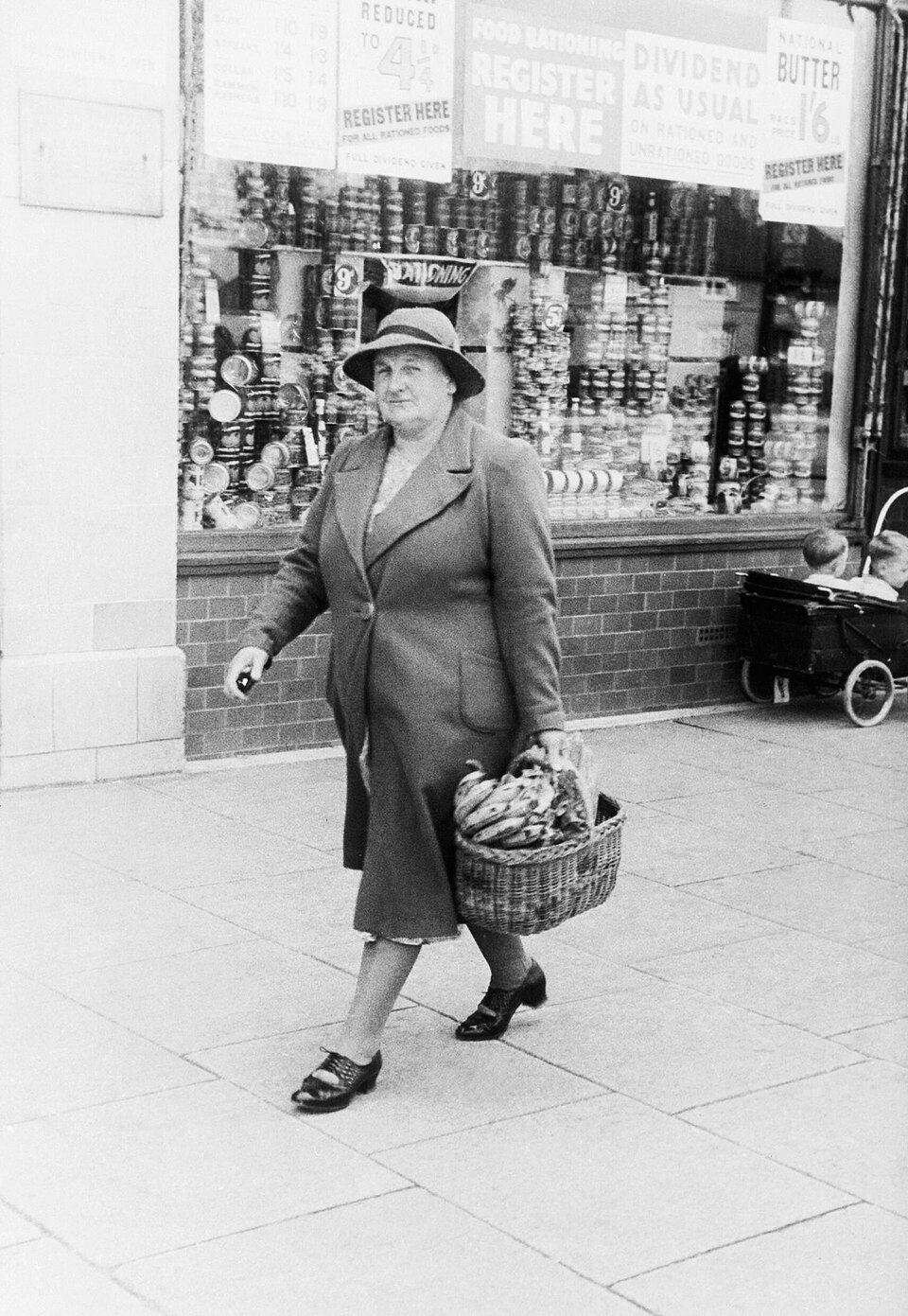
This practical article was drafted with AI assistance for Little Days. It is not a submitted reader story or a claim of firsthand experience. The image is illustrative; its source is listed in Photo credits.