A language note is easier to remember when a phrase is connected to a real conversational purpose rather than an isolated translation.
Choose a specific situation
Write the phrase beside a context you understand, such as politely asking someone to repeat a sentence. Record the source and any relevant formality or regional information provided by a reliable teacher or reference. Do not assume a literal translation fits every social setting.
Add a short personal example
Write a simple example that matches the phrase’s confirmed meaning and your current level. Check uncertain wording with an appropriate source. Keep the example realistic enough that you can imagine using it, without inventing complex details merely to make the note look sophisticated.
Review through use and correction
Practice recalling the phrase from the situation description, then compare it with the source. Save corrections clearly rather than leaving both versions equally prominent. A small accurate set of phrases you understand is more useful than a large collection whose tone or meaning remains uncertain.
What would you change first to learn a phrase with the situation where you would use it?
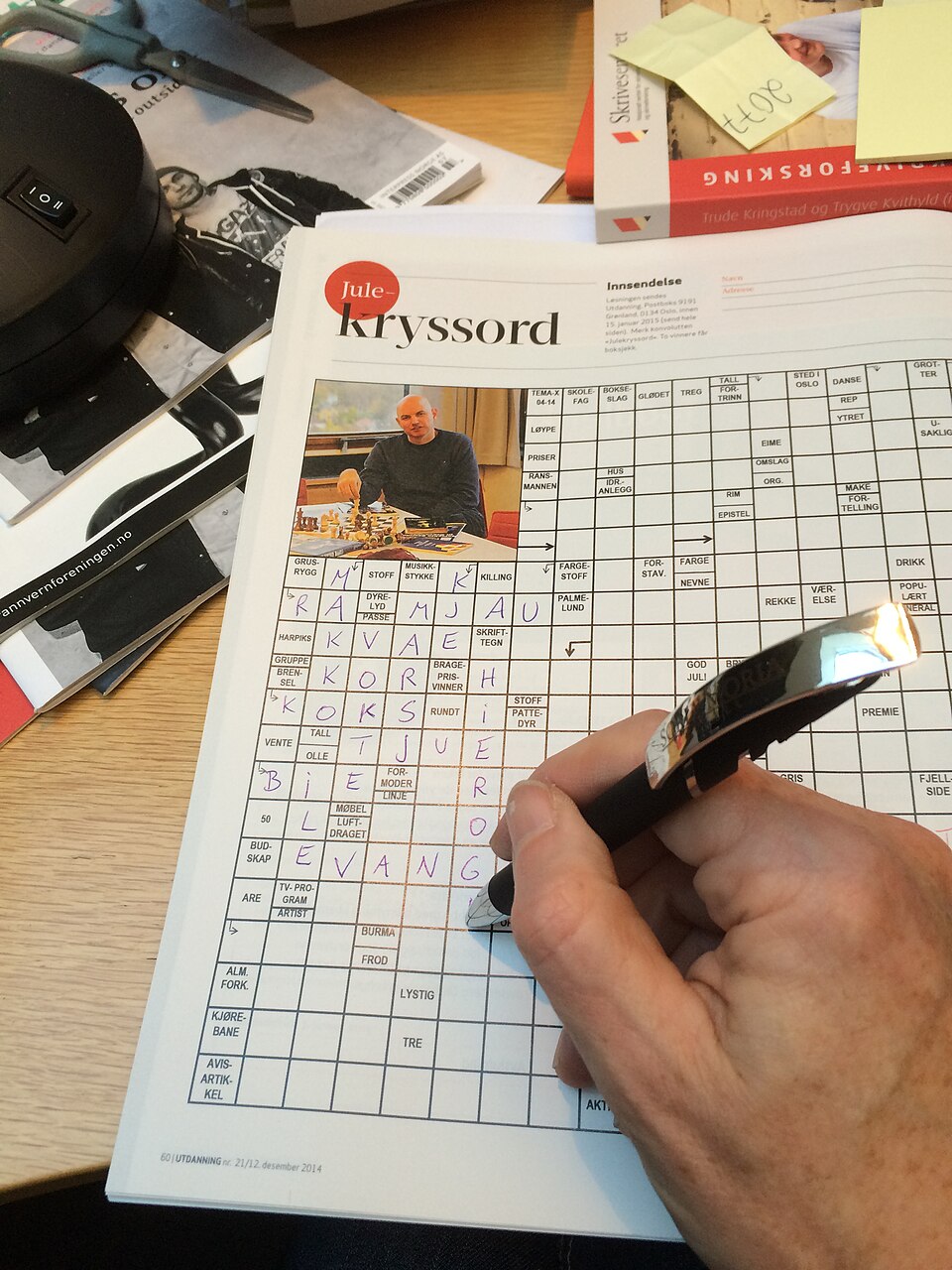
This practical article was drafted with AI assistance for Little Days. It is not a submitted reader story or a claim of firsthand experience. The image is illustrative; its source is listed in Photo credits.